Cultural Immersion: Paris – France
La France
France, a picturesque land of timeless elegance, known for being a beacon of art, philosophy, and gastronomy. From the sun-kissed vineyards in Bordeaux, to the romantic shores of French Riviera, France’s influence has helped shape global culture in many different areas. As we journey into the heart of the country, Paris stands out as one of its most emblematic cities – a place where history, romance uniqueness and modernity blend seemlessly.
Are you ready to know Paris?
Ville Lumière
Paris is often called the “City of Light” (la Ville Lumière in French), due to the fact that the city was an important center of education and intellectual persuit in the Enlightenment Era.
It is the capital of France, and has been shaped by centuries of history and cultural influence. Its origins lie along the River Seine, where the city first took form.
However, did you know that the “City of Light” has this distinct nickname not only for the intellectual persuit, but also because of something more literal?
Paris was one of the pioneers adopting street lights. Some claim that in the late 1800s, the citt had over 50 thousand gas lamps.
Climate
Frequently changeable
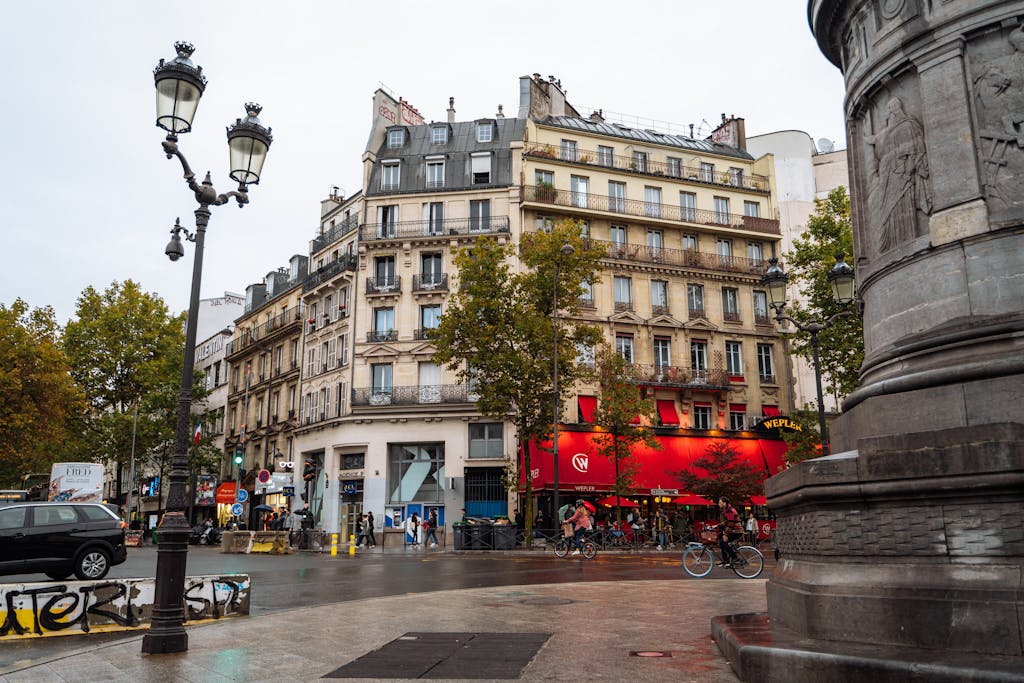
Similarly to parts of the UK, or northern Spain, Paris has a temperate oceanic climate. That means it has mild winters, warm bur rarely extreme summers, and frequent light rain throughout the year.
Many visitors notice that the parisian weather can change really fast in a single day, shifting from 5 to 10ºC within hours.
The temperature varies from 3ºC to 8ºC in the Winter to a maximum of 28ºC in the Summer.
There is a famous saying in Paris:
“En avril, ne te découvre pas d’un fil ; en mai, fais ce qu’il te plaît.”
In April, don’t uncover a thread; in May, do as you please.
This saying reflects how unpredictable the weather is there, specially in Spring.
Check Paris’ climate in real time on Zoom Earth.
Tourist spot
Montmartre District
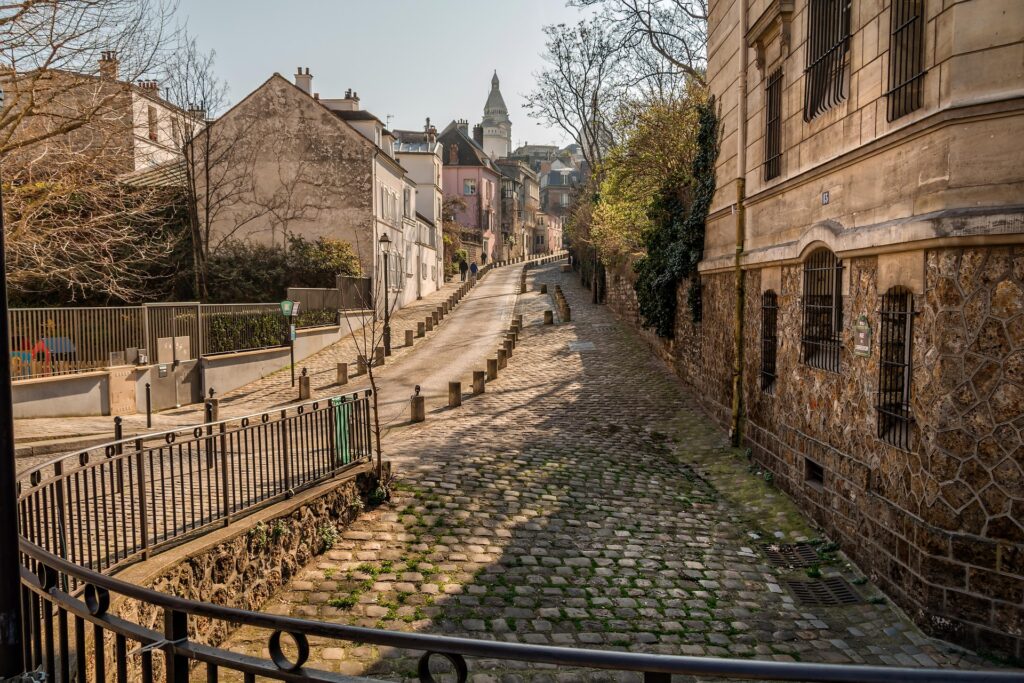
The Montmartre district is known for its contrast to the central Paris. A bohemian atmospheric neighborhood that feels like a village.
The Rue de l’Abreuvoir, as seen in the picture is an iconic street there, with a gentle curve, classic cobblestone paving and ivy-covered walls coupled with charming classical buildings.
Cuisine
Paris Café Culture
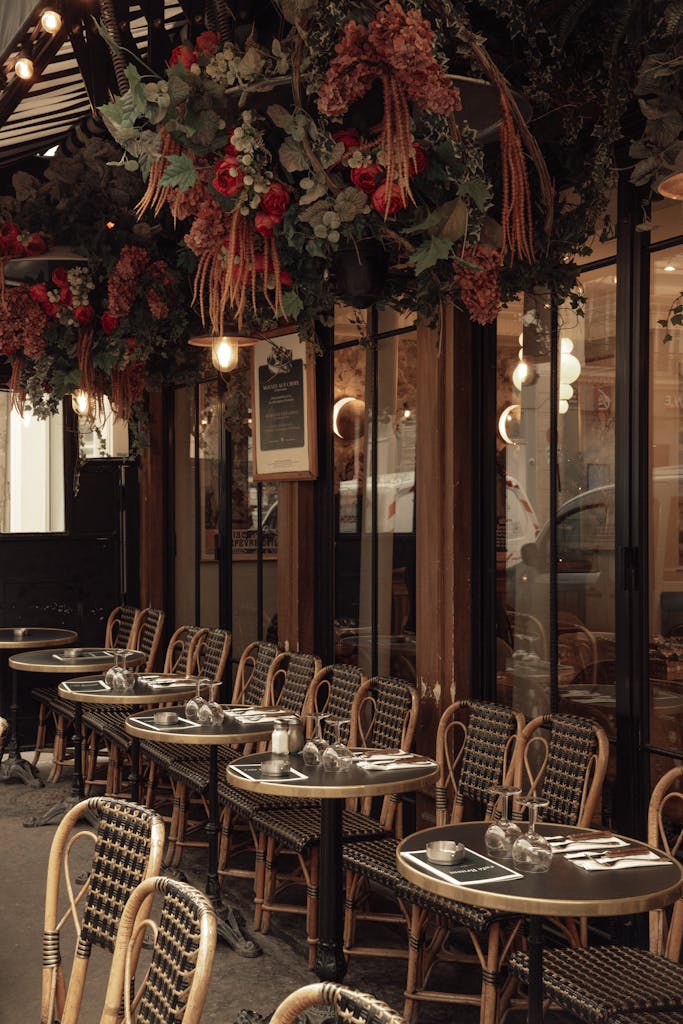
Known as the true “heart” and “soul” of Parisian daily life, the café culture is more than just experiencing the French cuisine – it’s seen as a way of living, socializing, and observing the world around you.
as a visitor you could order a croissant, or a pain au chocolat with a coffee, and settle in to observe the world for hours.
In quieters spots like Montmartre’s hilly streets, this cultural habit feels even more intimate.
It’s common for Parisians to buy a coffee and linger for 1 to 3 hours in the table, often reading a book or talking with friends.
A tipical Frech soup is Bouillabaisse – a fish soup that contains fish, shellfish, olive oil, onions, tomatoes, garlic, parsley, saffron, fennel, thyme, bay leaf and orange peel.
The fish normally used is racasse, conger ell, mullet or another mediterranean fish.
Local Personality Traits
Straightforward, private and dignified
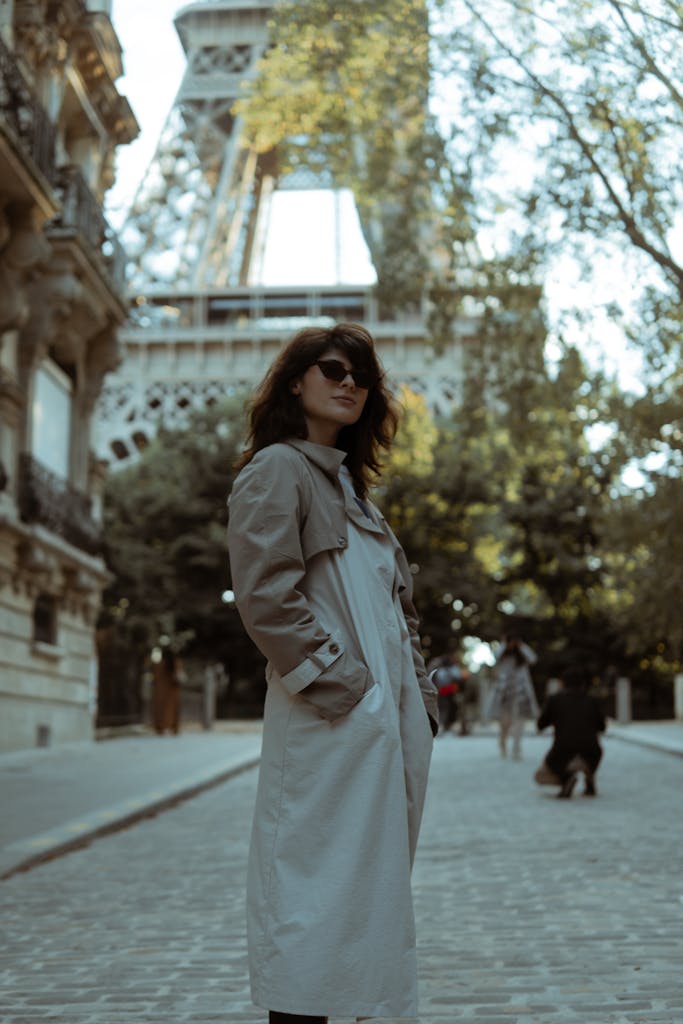
Different from some known outwardly cheerful friendly culture, Parisians tend to be direct, and reserved in public as they value personal space, privacy and respect. As anyone who visits the city can easily notice, they also place importance on style and aesthetics.
It’s important to understand though that their avoidance to unnecessary physical contact, being loud, or invading others’ space is not personal, but a reflex of their value to privacy and respect, and the city’s long intellectual and cultural traditions.
Commonly people will talk about the “rude Parisian” stereotype – even among French people; but more often then not, it’s a cultural mismatch. Understanding and adapting to their culture may give you a great visiting experience and let you see the true Parisian lifestyle with the appreciation it deserves.
Music
Musical Impressionism
A style that emerged at the end of the 19th century in Paris, drawing heavy inpiration from the impressionist painting movement. Its pioneer and leading figure is the French composer, trained in Paris – Claude Debussy.
The music genre is defined by it’s clear storytelling, using moods, atmospheres, emotions and sensations to express drama.
Even though Debussy was the pioneer to the genre, he disliked the name “music impressionism” stating:
“Quiconque appelle ma musique ‘impressionniste’ est un imbécile.”
Anyone who calls my music ‘impressionist’ is an imbecile.
p.s.: There is no original recording of the famous Debussy song Clair de Lune. Above you can check one of the many versions online of people playing this song.
Cost of Living
Aesthetic but expensive
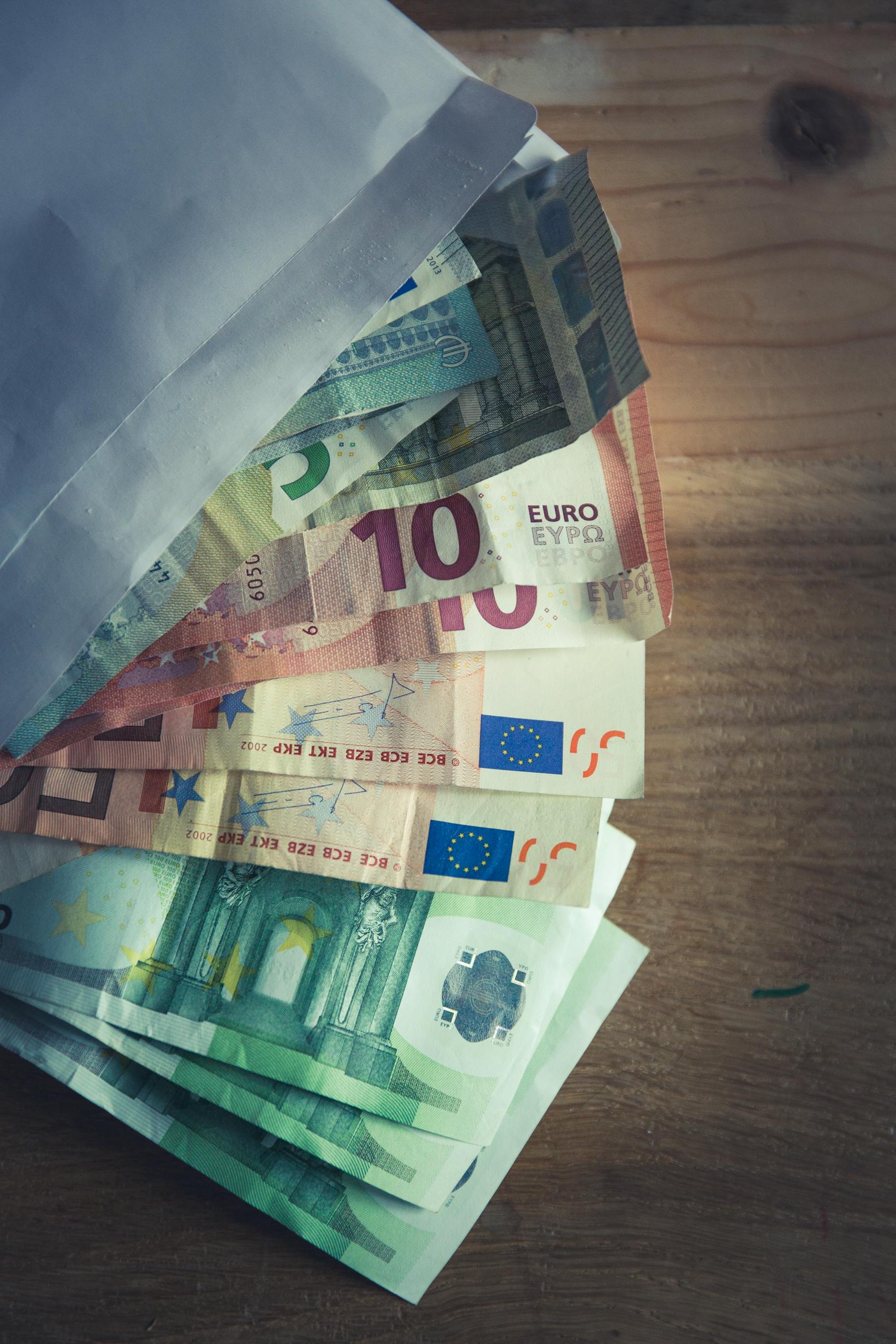
Frequently Paris is ranked between top 20 to 40 of the most expensive cities to visit or live in the world. What makes it so expensive is rent. It’s estimated that a single person would spend at least R$6.430,00 (€1.061,20) a month, excluding rent, in order to live in Paris. However, renting alone – a simple apartment outside the city center with only 1 bedroom would cost you more R$ 6.130,70 (€1.005,00).
With that in mind, to live in Paris, it’s expect that you make minimum R$12.560,70 (€2.073,77) monthly, which is below the average Parisian salary.
Check up-to-date information at numbeo.
Explore more cities around the world here.
Não perca mais tempo!
Conheça nossa metodologia de aprendizagem acelerada e conecte-se ao mundo.